
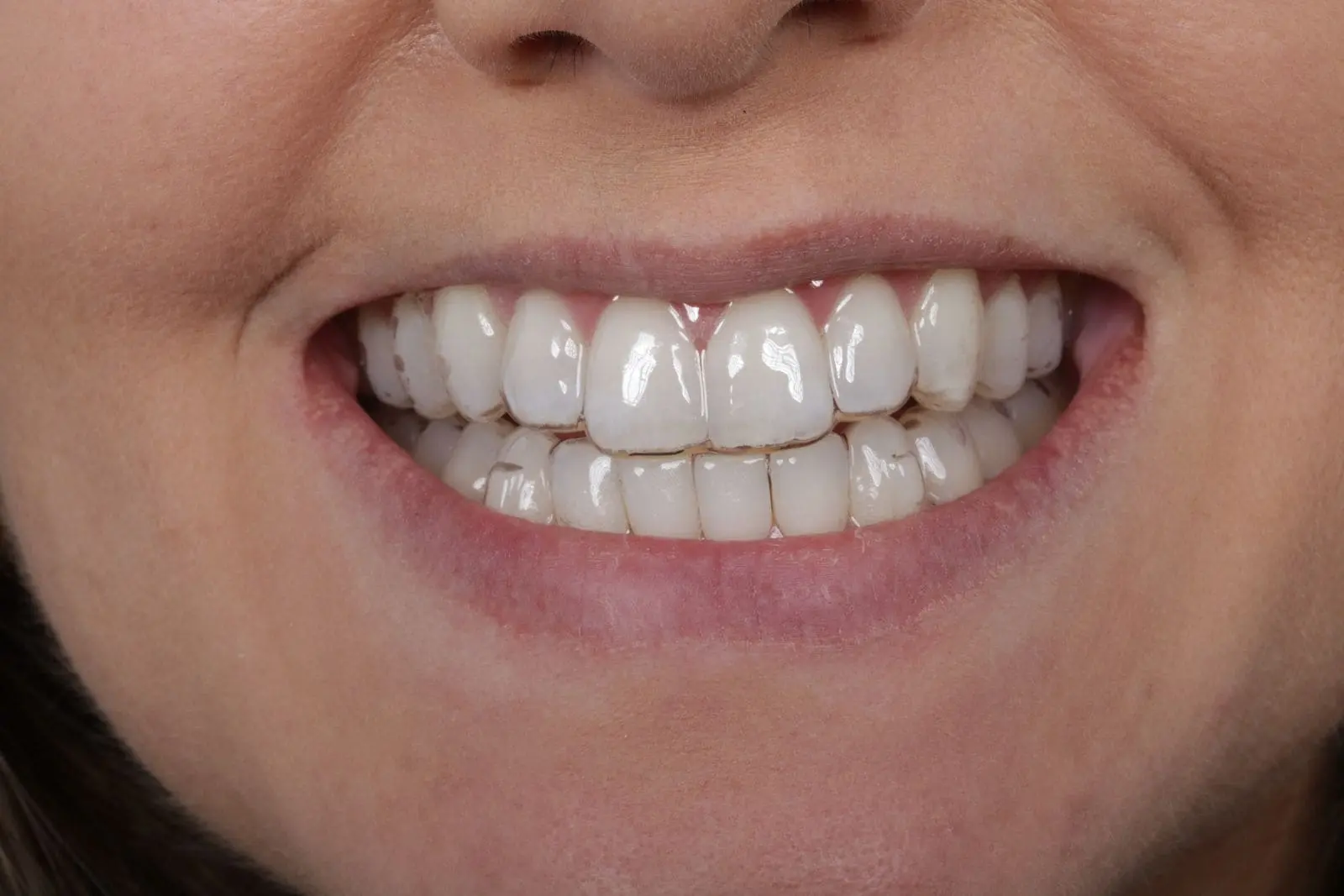
Choosing between invisible orthodontics and braces should not be based solely on “what looks less”. The right decision is the one that balances esthetics, movement control, gum health, daily discipline and the type of correction you really need. That's just what we're going to land on here, so you can make an informed decision with no surprises.
At OralStudio,, The approach is comprehensive and esthetic: not only to align teeth, but to protect function, harmony and natural results with technology and personalized planning.
You should know that it is not only aesthetics, it is also function.
It is easy to think that the orthodontics is “just to look good,” but a bad bite or poor dental position can impact wear, hygiene and quality of life. The FDI (World Dental Federation) insists that malocclusion should be seen beyond aesthetics and that treatment can prevent or intercept oral problems and improve quality of life.
So, before talking about braces, it is worth answering this: is your case a mild/moderate alignment that you are looking for discreet improvement, or are there more complex bite and control issues that require more adjustability?
What is invisible orthodontics and how does it work?
The key word here is Invisible orthodontics. In practice, it usually refers to clear aligners: custom-made splints that are changed sequentially to move the teeth little by little. The American Association of Orthodontists (AAO) explains that aligners are thin, clear, customized trays that apply pressure progressively; they are removed for eating, drinking and hygiene.
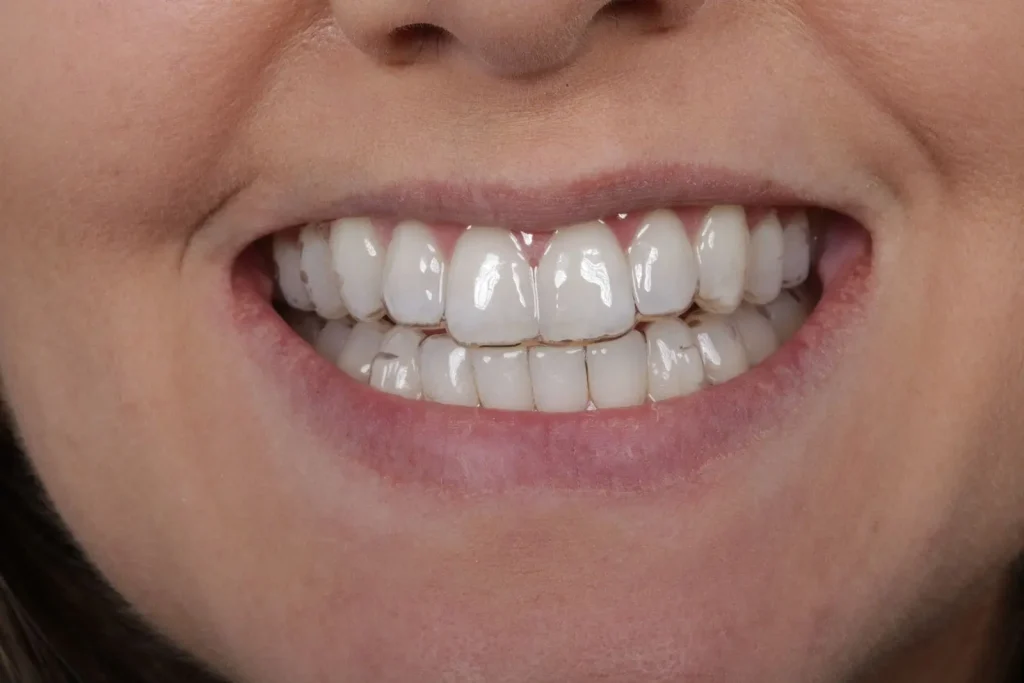
What are brackets and why are they still so widely used?
The brackets (metallic or esthetic such as ceramic) are a fixed system attached to the teeth, connected to arches that the specialist adjusts to direct movements and bite. The AAO summarizes a key difference: brackets are non-removable, work continuously and can treat most orthodontic problems; aligners are removable and their effectiveness is highly dependent on the case and consistent use.
OralStudio offers treatment that adapts to the patient's lifestyle and needs, with options from traditional braces to invisible aligners and other aesthetic alternatives, supported by advanced technology for precision and comfort.
Invisible orthodontics vs. braces: what really changes
Aesthetics and social life
If you work in front of the public, participate in meetings, or see yourself on camera, the Invisible orthodontics usually wins for discretion: it is described as “virtually invisible” because of its transparent trays. Along the same lines, at OralStudio we present it as an alternative designed to correct alignment almost imperceptibly, ideal for those who prioritize esthetics during treatment.
Braces, even when they are esthetic, are still a visible system. Some people don't mind this, but if your goal is “not to be noticed”, the difference is clear.
Movement control and treatment range
If your case requires complex movements, difficult rotations or fine bite adjustments, the bracket usually gives more “leeway”. If you have a mild or moderate case, the Invisible orthodontics can be an excellent option, as long as the diagnosis supports it.
Daily discipline and predictability
The most underestimated factor is this: in aligners, you are responsible for part of the effectiveness of the treatment, because they must be worn at least 22/24 hours a day.
In braces, the system is fixed. That usually helps when someone knows that, due to work, travel, social meals or intense routine, they may “slack off” with hours of wear. If you are very consistent and love control (you put on and take off your aligners with discipline), the Invisible orthodontics fits perfectly. If not, brackets take a critical variable off your plate.
Hygiene and gum health
With braces, hygiene requires more meticulous brushing and flossing around wires and parts; with aligners it is easier to clean teeth, but they must be impeccable before putting the braces back on.
A guide for patients with fixed brackets recommends brushing above, over and under the appliance, and using interdental brushes to clean around each bracket at every brushing, because the risk of damage or staining increases if hygiene fails.
In practice, the Invisible orthodontics usually makes the routine easier because you brush and floss without “obstacles”. Even so, it requires that you maintain an impeccable cleaning before repositioning, because an aligner placed over plaque and debris can work against you.
Food, sport and comfort
If you wear braces, you should avoid hard, sticky and very chewy foods, while with aligners you can remove them to eat without the direct restriction of the appliance.
In comfort, both can generate discomfort at start-up or at adjustments/changes. Brackets are felt more when placing or adjusting them; in aligners, it is usually felt when changing to a new splint.
If you practice sports, discretion is not the only factor: your specialist can recommend protectors and measures according to your case and discipline.
Risks and side effects: what you should know without panicking
All orthodontic treatment must manage controlled forces and follow-up, with possible adverse effects such as pain, periodontal changes and root resorption, among others, with risk factors associated with treatment duration and individual characteristics.
The key is not to “be afraid”, but to choose a team that diagnoses well, controls the strength and follows up. At OralStudio, we offer you the customization of the plan and the use of technology for greater precision and comfort during the process.
Which one suits you best according to your lifestyle?
When invisible orthodontics usually fits best
The Invisible orthodontics is usually ideal if you prioritize discretion in social and work settings, if you travel or have constant meetings, and if you are willing to wear aligners for the recommended amount of time each day. It also tends to be a good fit when you are looking for a more flexible eating experience and to maintain a very clean hygiene routine.
When brackets are usually the best decision
Brackets are often preferable when the case requires finer control of certain movements, or when constancy of use (e.g., for unpredictable routines) may be a risk. Comparative evidence tends to show advantages of the fixed appliance in torque and rotation control in certain scenarios.
Frequently asked questions
Does invisible orthodontics work for all cases?
Not always. Aligners can be effective for many problems, but suitability depends on the case; braces usually cover most orthodontic problems.
What happens if I do not wear the aligners for the indicated time?
The Invisible orthodontics depends on constant use; the common guideline is at least 22 hours per day. If this is not met, movement can be lost and the plan becomes less predictable.
Is it more difficult to maintain hygiene with braces?
It requires more technique and consistency. Clinical guidelines for fixed appliances recommend careful brushing by appliance zones and the use of interdental brushes around each bracket to reduce the risk of damage to the enamel and gingival problems.
Is it true that aligners are “faster”?
It depends on the case. The comparative evidence is mixed: there are studies where the time may be shorter with aligners in certain scenarios, but there are also trials where the time was longer with aligners in mild to moderate malocclusions. That is why the diagnosis rules.
Do I still need retainers after treatment?
Yes, regardless of the type of appliance, retainers are usually required upon completion.
Schedule your assessment at OralStudio
If you are between Invisible orthodontics and braces, the safest way to decide is with a clinical assessment: the type of malocclusion is defined, gum health is checked, real movements are estimated and the plan that best fits your lifestyle is proposed.
Write to us here to schedule your assessment appointment.


